
How to Design a Beautiful and Functional Home Garden Layout
Creating a home garden is both a creative and practical endeavor. A well-planned garden blends beauty with functionality, providing a space for relaxation, recreation, and cultivation. Whether you have a small backyard or a spacious plot, thoughtful design can maximize both aesthetics and usability. Understanding the principles of layout, plant selection, and structural elements ensures a garden that is not only visually appealing but also enjoyable and easy to maintain.
Assessing Your Space
The first step in designing a garden is understanding the space you have. Measure the area and note features such as slopes, existing trees, and sunlight exposure. Identify problem areas, like poor drainage or compacted soil, which may require special attention. Mapping out the garden on paper or using digital tools helps visualize the layout and determine how different zones will fit together. Careful assessment forms the foundation for a garden that is both functional and harmonious.
Defining Purpose and Zones
Every garden should reflect its intended purpose. Decide whether you want areas for relaxation, entertaining, growing vegetables, or decorative flower beds. Creating distinct zones helps organize the space efficiently. For instance, a patio for seating can be separated from a vegetable patch with pathways or hedges. Clearly defined zones prevent clutter and ensure that each section of the garden serves a specific function while contributing to the overall aesthetic.
Choosing a Layout Style
Garden layout styles vary from formal and symmetrical designs to naturalistic, free-flowing arrangements. Formal layouts emphasize geometry, structured paths, and balance, creating a polished look. Informal layouts mimic nature, with curving pathways and irregular plant clusters. Selecting a style that complements your home’s architecture and personal taste helps create cohesion. Combining different elements from multiple styles can also add interest and uniqueness, provided the overall flow is maintained.
Incorporating Pathways and Access
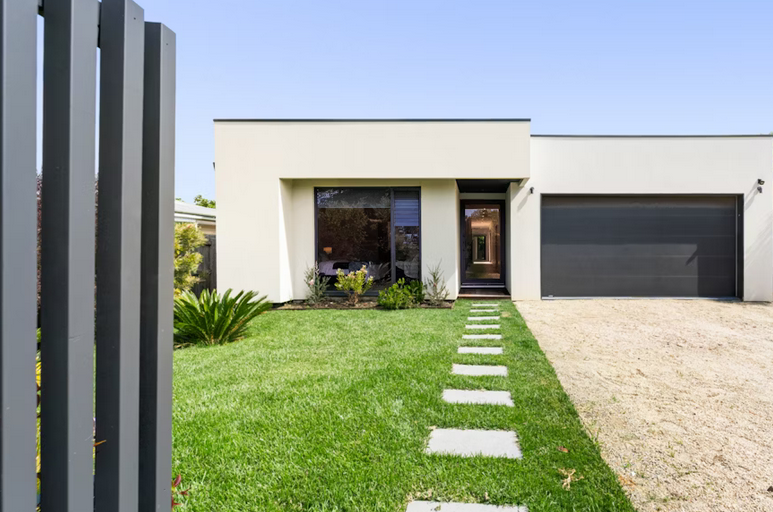
Functional gardens require well-planned pathways. Paths guide movement, protect delicate plants, and define zones. Materials like gravel, stone, or wood can suit different garden styles while adding texture. Ensure paths are wide enough for comfortable walking and allow access for maintenance. Curved paths create a sense of exploration, while straight paths emphasize order. Thoughtful pathway design balances beauty with practicality, making the garden easy to enjoy and navigate.
Selecting Plants Strategically
Plant choice is crucial for both beauty and practicality. Consider climate, soil type, and sunlight when selecting plants. Mix perennials and annuals to ensure year-round color and texture. Use taller plants or shrubs as focal points and lower-growing plants to fill edges. Grouping plants with similar water and light requirements simplifies maintenance. Strategic planting ensures that your garden remains visually appealing throughout the seasons while minimizing effort.
Adding Structural and Decorative Elements
Structures such as pergolas, trellises, and raised beds enhance both function and aesthetics. They provide vertical interest, support climbing plants, and create shaded areas. Decorative elements like fountains, sculptures, or garden lighting add personality and charm. These features can serve as focal points or accentuate specific zones, guiding the eye through the garden. Integrating structural and decorative elements ensures your garden feels layered, inviting, and visually dynamic.
Ensuring Sustainability and Maintenance
A functional garden is easy to maintain and environmentally responsible. Consider incorporating rainwater collection, composting, or drought-tolerant plants. Mulching reduces water loss and prevents weed growth. Plan for seasonal care, pruning, and fertilization schedules to keep plants healthy. Sustainable practices not only protect the environment but also reduce long-term effort, allowing you to enjoy the garden without constant labor. A well-maintained garden enhances daily life and remains beautiful year after year.
Designing a beautiful and functional home garden requires a thoughtful approach that balances aesthetics with practicality. By assessing your space, defining zones, selecting appropriate plants, and incorporating pathways and structures, you can create a garden that is visually appealing and enjoyable. Attention to style, sustainability, and maintenance ensures that your garden thrives over time. With careful planning and creativity, your home garden can become a unique sanctuary that brings both relaxation and beauty into your everyday life.