How Transitional Spaces Can Improve the Flow of a House
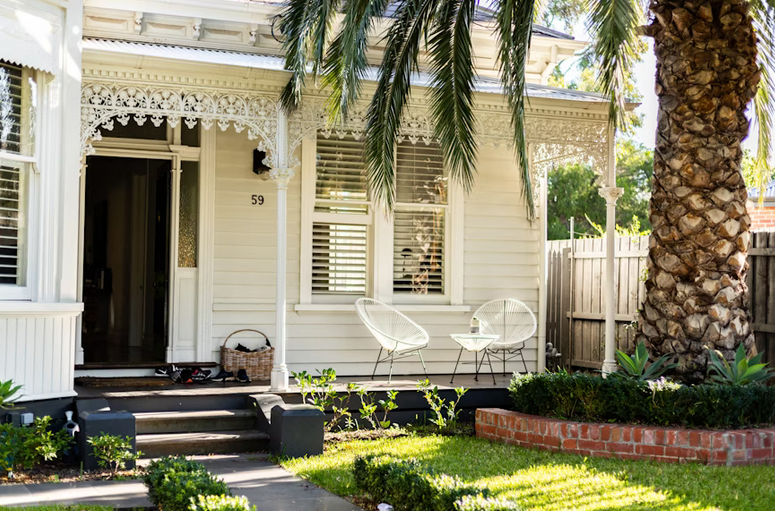
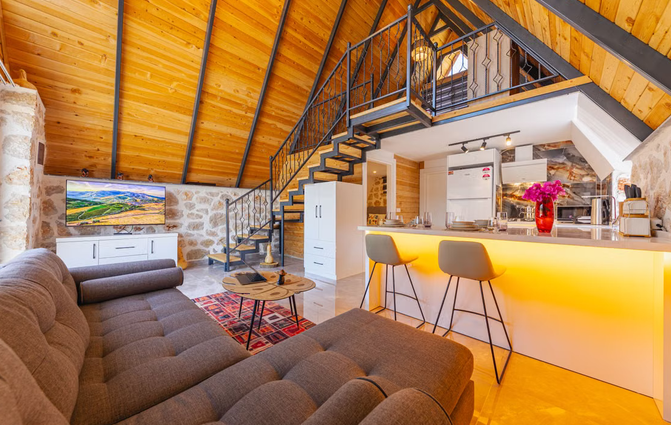
A well-designed house is not only about attractive rooms. It is also about how people move between them. Transitional spaces create connections between areas and can influence how comfortable, practical, and organized a home feels. Entryways, hallways, foyers, stair landings, mudrooms, corridors, and small connecting areas may seem secondary, but they help establish the relationship between major rooms. When planned carefully, these spaces can feel natural while providing storage, privacy, light, and visual continuity. Good house design considers the journey between rooms as much as the rooms themselves. Understanding how transitional spaces can improve the flow of a house can help homeowners create layouts that feel connected without becoming crowded.
Connecting Different Areas
Transitional spaces act as links between functional areas of a home. A hallway can connect bedrooms to living spaces, while a foyer can create a gradual transition between the entrance and the main interior. Without thoughtful connections, rooms may feel isolated or awkwardly positioned. People might need to walk through one space simply to reach another, creating unnecessary traffic. A well-planned transition creates a clear path. It can also separate public and private areas. Guests can move toward living or dining spaces without immediately entering bedrooms or …